Every October, Iranian police, Basij militia and Revolutionary Guards close the roads through Fars province to keep people away from the tomb of Cyrus the Great. The king inside has been dead for roughly twenty-five centuries. The checkpoints are there because he has become one of the most dependable rallying points the Iranian opposition has.
Cyrus founded the first Persian empire. In 1971 the Pahlavi monarchy dated the Iranian throne 2,500 years back to his reign and threw a party to prove it; the Islamic Republic that replaced that monarchy inherited the problem, which is that the founder outranks whoever currently holds the building.
Why does Iran block the road to Cyrus's tomb?
Because the grave has become the most dependable protest site in the country. On 28 October 2016, thousands gathered at Pasargadae for the unofficial "Cyrus Day" and chanted slogans against the government and for the monarchy — "Iran is our homeland, Cyrus is our father." Around 300 people were detained. Every year since, security forces have restricted or closed the site around the late-October anniversary.
In October 2025 the closure was total. Witnesses told Iran International that police, Basij militia and Revolutionary Guards manned checkpoints and turned people back from access routes in Fars province, sealing the Pasargadae complex for the day.

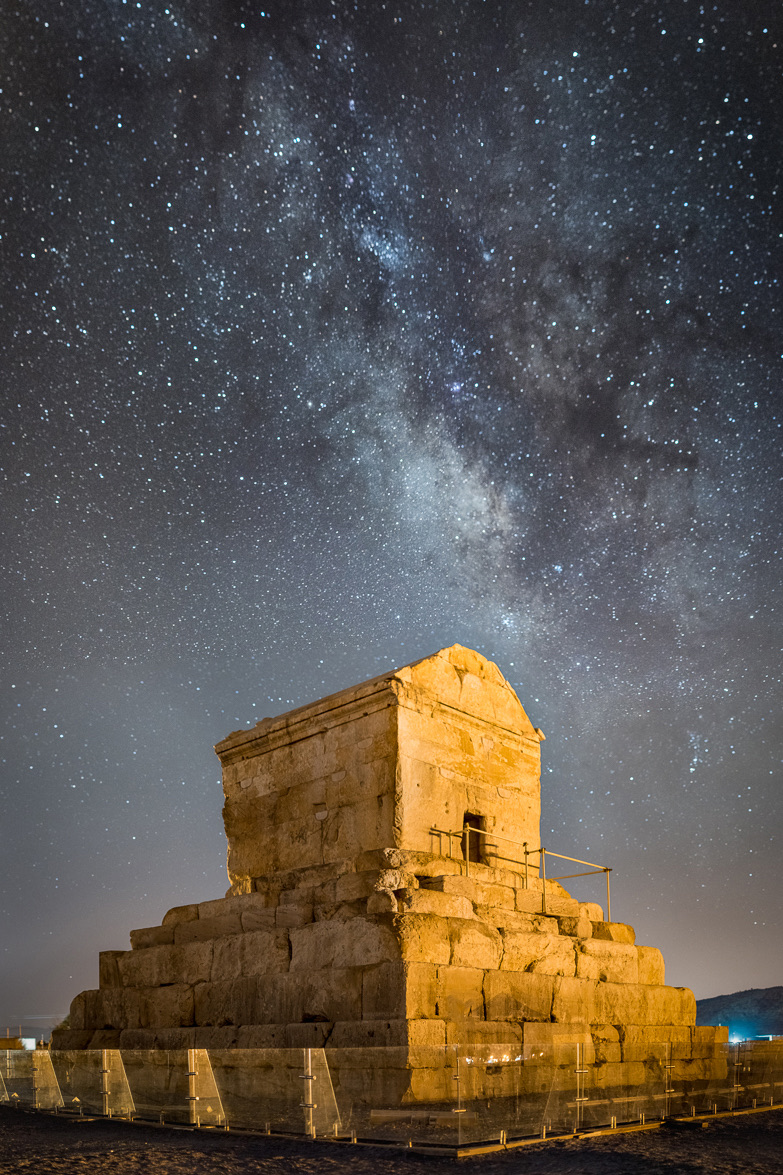
A state with a functioning army, an intelligence service and a nuclear programme posts guards around a grave. That is the measure of how much political voltage is still running through the man in it.
Who was Cyrus the Great?
He was a vassal king of a small kingdom who ended up ruling the largest empire the world had yet seen. Cyrus inherited the throne of Anshan — a minor Persian kingdom in what is now Iran's Fars province, the same province as the checkpoints — around 559 BC. Anshan answered to the Medes, the dominant power to the north.
Within a decade he had overthrown his Median overlord. Within twenty years he had taken Lydia and then Babylon, and the empire he founded stretched from the Aegean to Central Asia. It was larger than anything the Assyrians, the Babylonians, the Egyptians or the Medes had assembled before it.
What follows is how the first of those conquests happened — and the strange fact that we have to take most of it on a foreigner's word.
Why is there no Persian history of Cyrus?
Because it did not survive, not because it was never written. The distinction matters, and it is routinely got wrong.
The Achaemenid empire ran an enormous bureaucracy, but it wrote in borrowed tongues — Elamite, Aramaic, Akkadian — and, crucially, on perishable materials. Babylonian scribes pressed their records into clay, which survives fire and burial for millennia. Persian administrators wrote on leather and papyrus, which do not. Royal deeds were also entrusted to memory and to court minstrels, a living chain rather than an archive. Later sources gesture at written records now lost: the Book of Esther refers to "the book of the chronicles of the kings of Media and Persia."
Then the chain broke. Alexander burned Persepolis, and the trained memory that carried the rest did not long survive the conquest — how much went up in that fire and how much simply faded afterwards is still argued. By the time Iran wrote its own past down at length, the Achaemenid era had transformed into the legendary Kayanian kings of epic.
The result is a loss, not an omission — and it is why the story of Cyrus's rise comes to us in Greek.
Was Cyrus really the Median king's grandson?
That claim comes from Herodotus, and one other ancient source flatly denies it. Herodotus, writing in Greek around the 430s BC — roughly a century after these events — tells it as legend, and it should be read as one.
In his account, Astyages, the last king of Media, dreams that a vine grows from his daughter Mandane and spreads its shadow over all of Asia. His Magi, the hereditary priestly caste, read it as a warning: her son will take his throne. Mandane is married off to Cambyses I, the vassal king of Anshan — beneath her, and safely far away. When she bears a son, Astyages orders the infant killed.
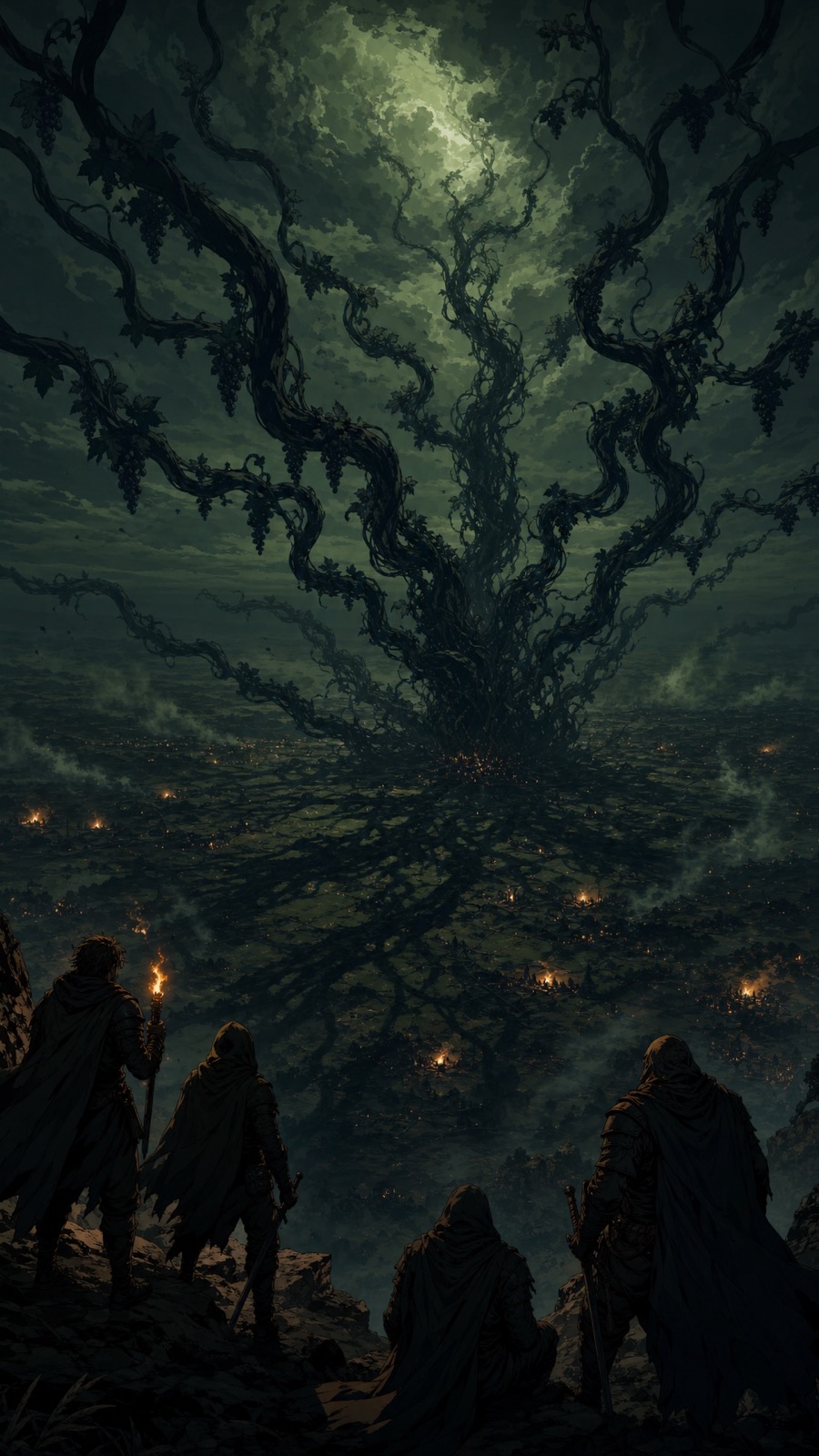
The killing is delegated to Harpagus, a Median nobleman and kinsman of the king, who cannot do it. The baby is handed to a mountain herdsman, Mitradates, and raised as his own. About ten years later the boy is recognised, and the Magi — deciding the dream has already been fulfilled and its danger spent — tell Astyages the threat has passed. He sends the boy home to his real parents in Anshan.
Every element of that is Herodotus. Ctesias, another Greek writing on Persia, denied that Cyrus was related to Astyages at all. The grandfather story is the tradition, not the record.
Why did Harpagus betray his own king?
Because Astyages served him his own son at dinner. This is the darkest thing in Herodotus's first book, and he sets it down without flinching.
Having discovered that Harpagus spared the infant years earlier, Astyages hid his anger and invited him to a banquet. Harpagus ate. Afterwards he was shown the remains of his own child and understood what he had been given. Herodotus records that he did not lose his composure — he gathered what was left, went home, and said nothing.
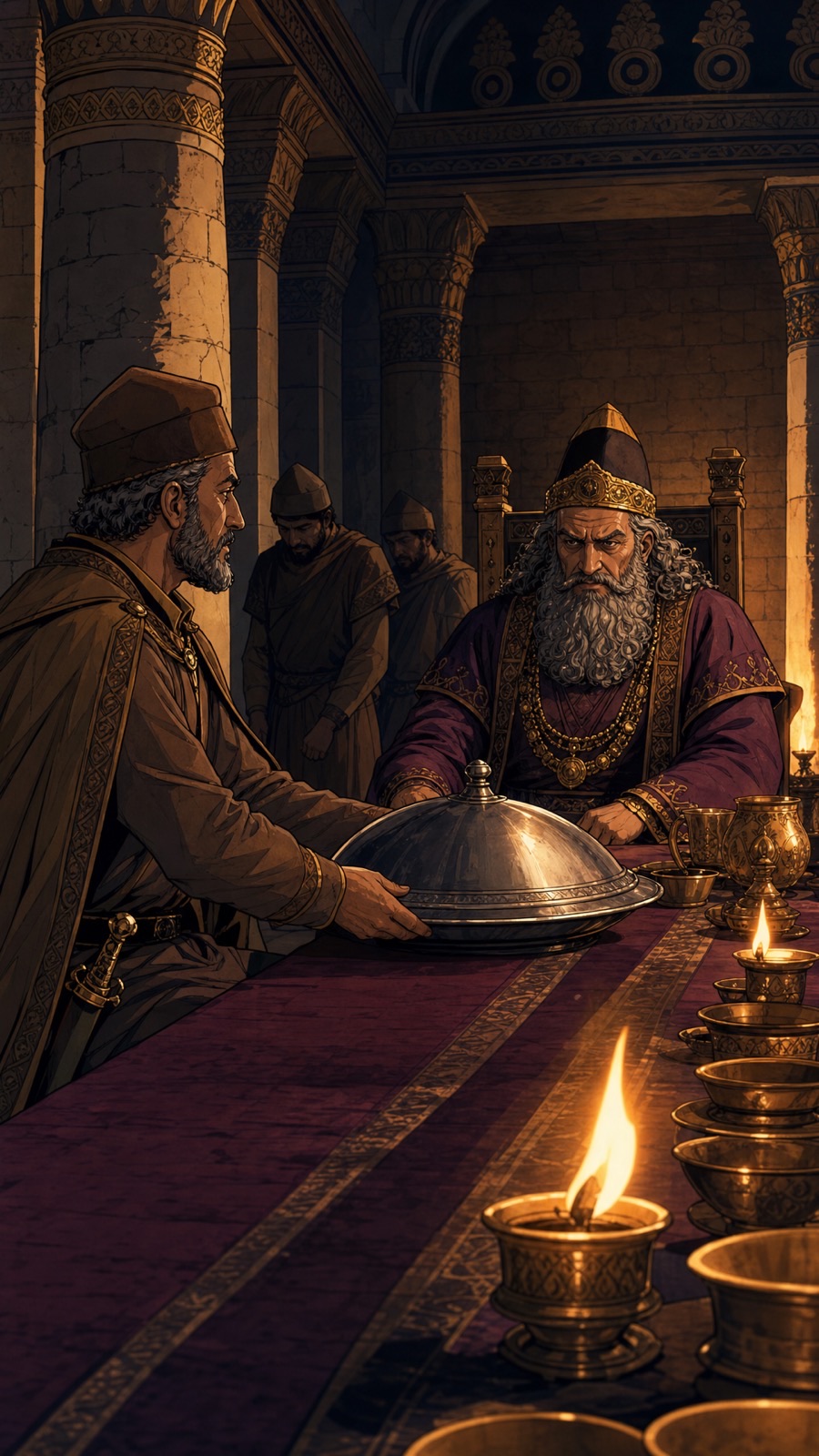
He waited years. A king who does that to his most capable general has manufactured his own gravedigger, and Media's collapse begins at that table.
How did Cyrus defeat the Medes?
Media fell from the inside, not on the battlefield. Around 553 BC Cyrus, now ruling Anshan, revolted against Astyages. Astyages sent an army to crush him — and, in Herodotus's telling, put Harpagus in command of it. Mid-campaign, Harpagus changed sides and took much of the army with him.
Here the Greek legend and the documentary record meet. A Babylonian document known as the Nabonidus Chronicle, written on clay and therefore still readable, records the outcome under Nabonidus's sixth year — 550 BC:
The army rebelled against Astyages and he was taken prisoner. Th[ey handed him over] to Cyrus.
The square brackets are the translator's: that part of the tablet is damaged and the words inside them are reconstructed. What is intact is the essential thing — an army took its own king prisoner and gave him to the enemy.
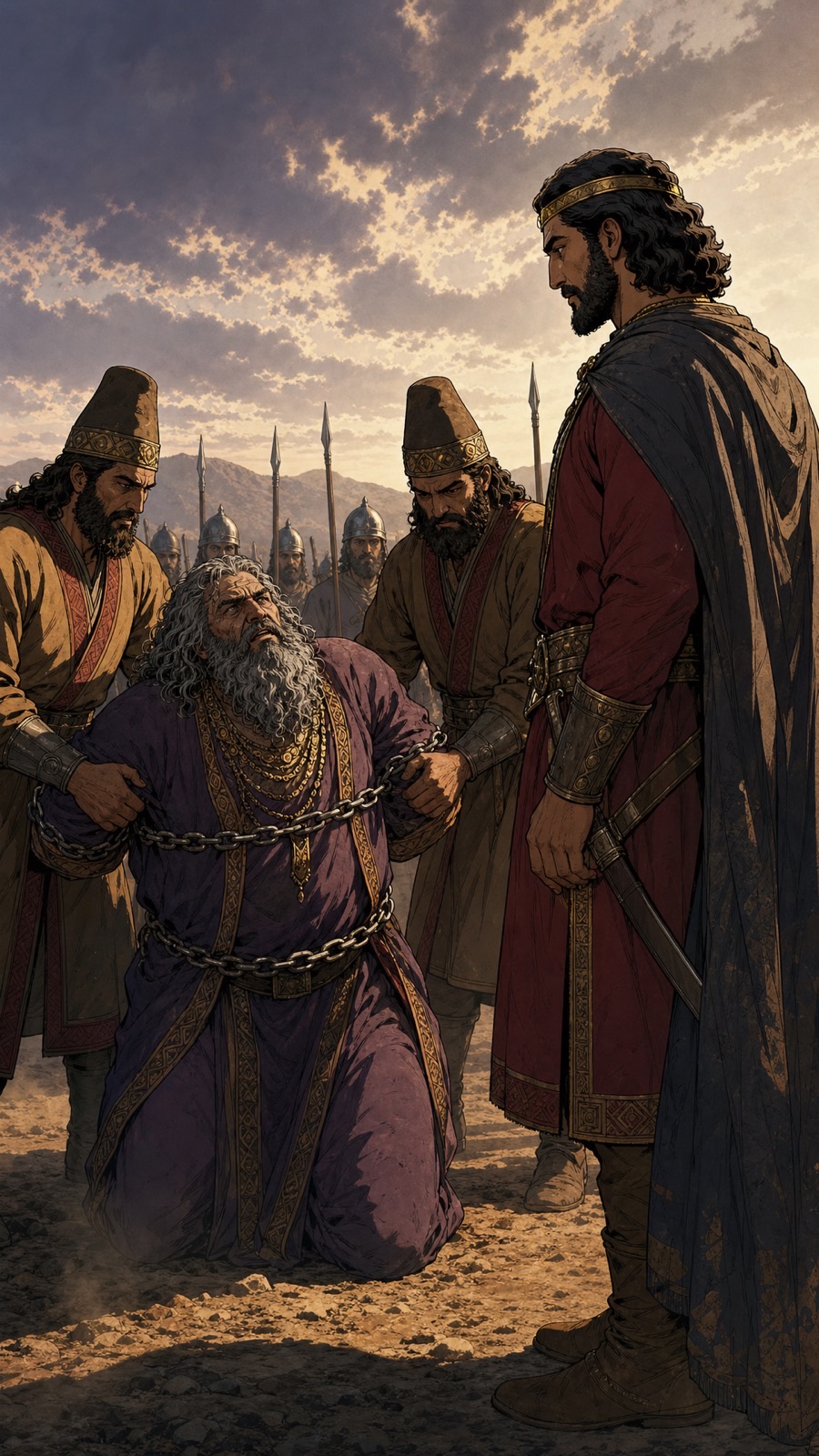
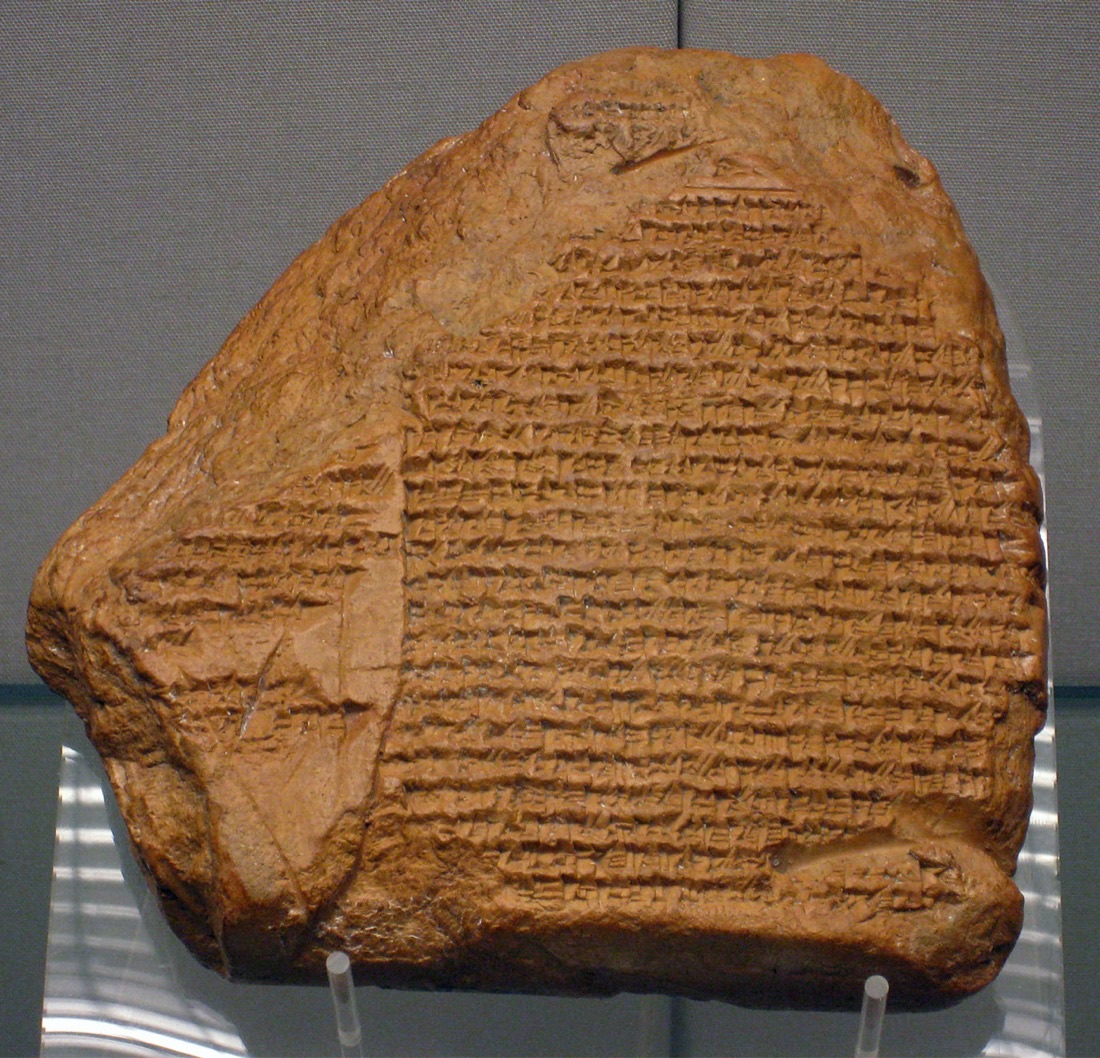
The chronicle confirms the revolt and the handover, and says nothing about banquets or dreams — it does not even name Harpagus. Herodotus supplies the motive; the tablet supplies the fact. Ecbatana, the Median capital, fell the same year, and its treasure went south to Anshan.
What did Cyrus do with the king he overthrew?
He spared him. Per Herodotus, Astyages was kept at Cyrus's court and did no further harm — the deposed king of a conquered empire, alive, in the household of the man who took it.
For a sixth-century BC conqueror this was not the obvious move, and it is the first visible instance of a pattern that would define him: at Sardis and later at Babylon, Cyrus repeatedly found more use in a defeated enemy alive than dead, and in leaving conquered peoples their gods, their temples and their elites. It is the reason he is remembered as he is, and it starts here, with a grandfather who had ordered him killed.
Why did Iran's last shah speak to Cyrus's tomb in 1971?
Because he was staking his own throne on a line running back to that grave. On 12 October 1971, at Pasargadae, Mohammad Reza Pahlavi opened the 2,500-year celebrations of the Iranian monarchy by addressing Cyrus directly. The line everyone remembers is the closing one, usually rendered in English as Cyrus, sleep peacefully — for we are awake. Translations of it vary, and it circulates more as a remembered phrase than as a fixed text.
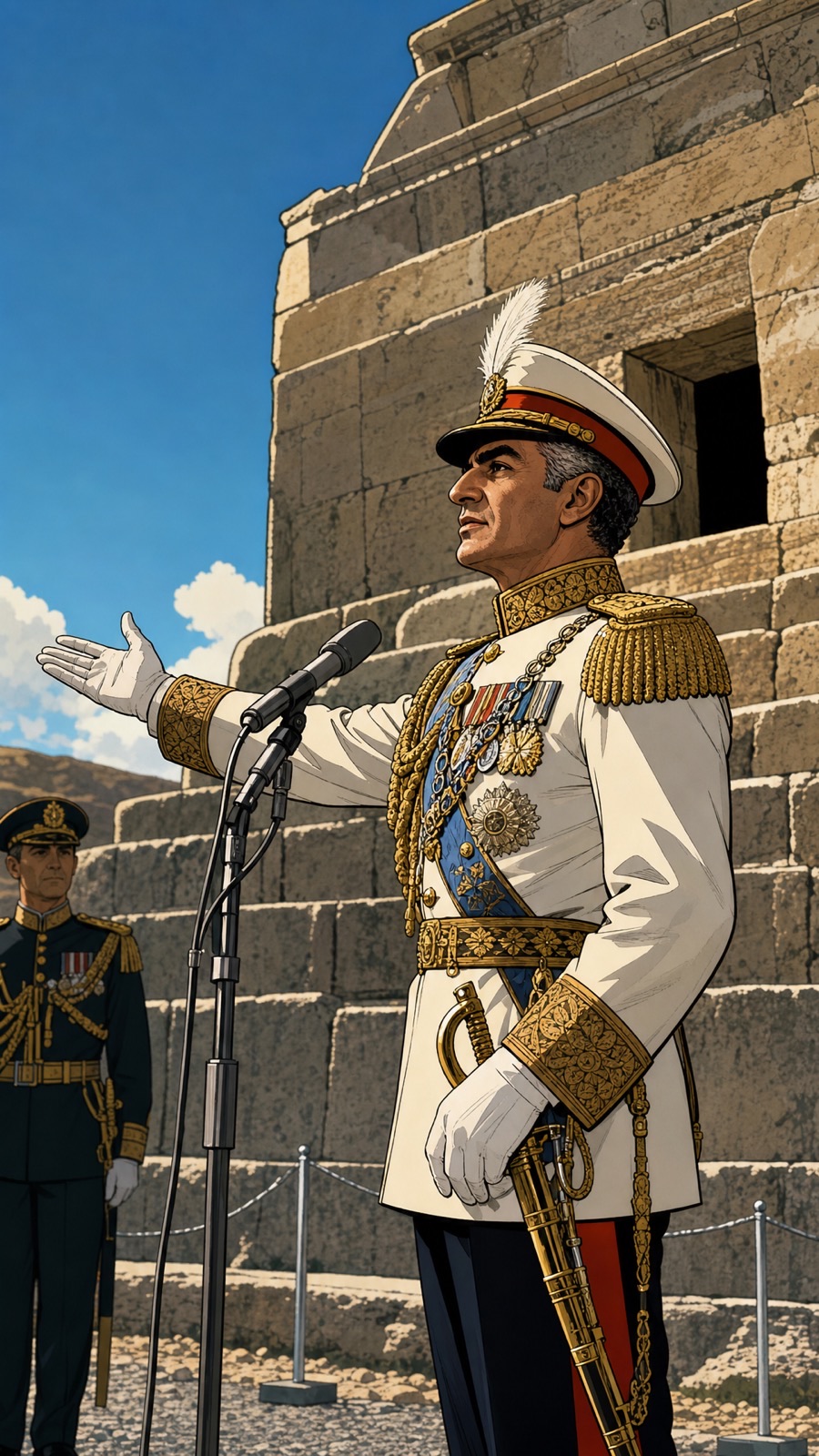
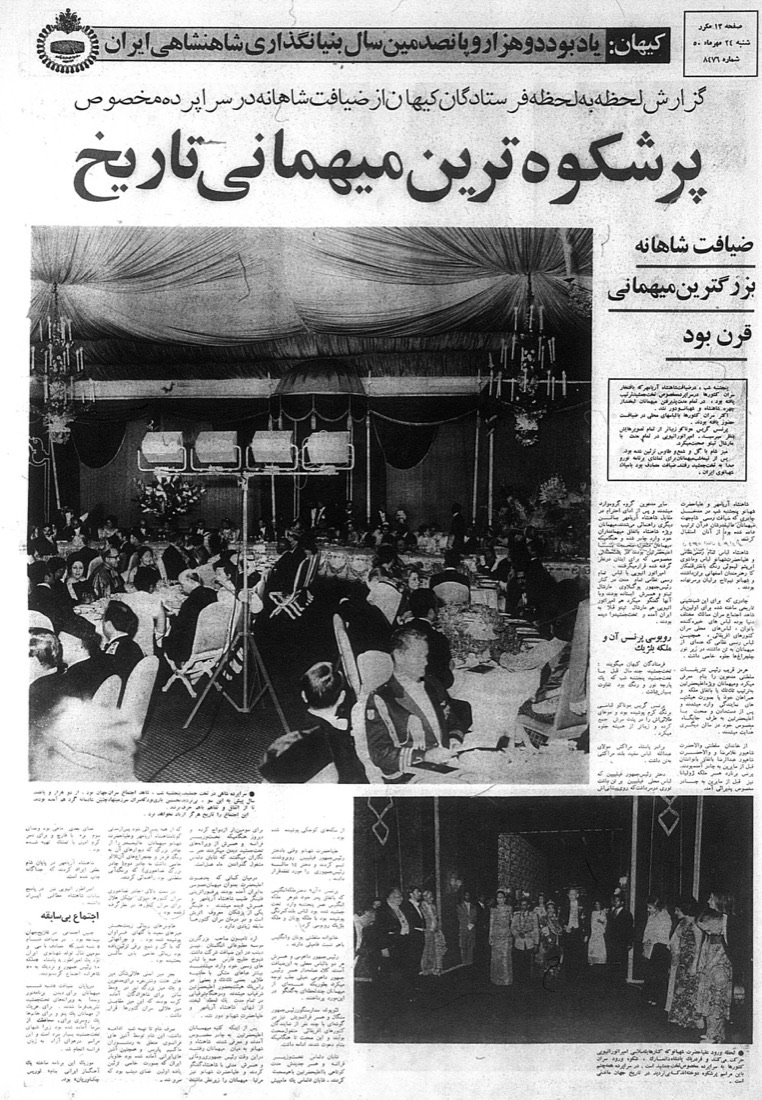
The dating was a political act. Fixing the monarchy's age at 2,500 years counted the line from Cyrus and made the Pahlavi throne its current occupant — a claim about counting, not an unbroken institution.
Eight years later he lost the throne. Mohammad Reza left Iran on 16 January 1979 and never returned. Cyrus kept his grave for twenty-five centuries; his last successor kept his crown for thirty-seven years.
The government that replaced them both now closes the roads to that grave every October.
West of the empire Cyrus had just built sat the richest man alive, watching Persia grow. Herodotus says he sent gold to a Greek god and asked whether he should strike first, and that the oracle told him: make war on Persia, and you will destroy a great empire. He never asked which one.
That war, and how Cyrus won it with a line of pack camels, is Part 2: The Oracle Told Croesus He Would Destroy a Great Empire.
Sources
- The October 2025 closure of Pasargadae, and which forces manned the checkpoints: Iran International — Iran blocks access to Pasargadae complex on 'Cyrus Day', 29 October 2025
- The 2016 gathering, the detentions, and the pattern of annual restrictions since: FDD — Iranians Challenge the Regime by Celebrating Cyrus the Great, 5 November 2025; Cyrus the Great Day
- The Nabonidus Chronicle entry for Nabonidus's sixth year — the revolt, the handover, and the fall of Ecbatana: ABC 7, the Nabonidus Chronicle (Livius); Nabonidus Chronicle. Translations differ — A. K. Grayson's standard edition (Assyrian and Babylonian Chronicles, 1975) renders the line "in fetters they delivered him to Cyrus"; the wording quoted above follows the Livius text linked here.
- The dream, Harpagus, the herdsman, the banquet and the defection — all from Herodotus, Book I: Herodotus, The Histories, Book 1 (Perseus) (the birth legend at 1.107–113, the banquet at 1.117–119, the revolt and defection at 1.123–128, Astyages spared at 1.130, Croesus's approach to Delphi and the oracle's answer at 1.46–53, and Delphi's own later defence of the wording at 1.91)
- Ctesias's denial of the kinship, and the standing scholarly caution on Herodotus's Cyrus narrative: Cyrus the Great; Matt Waters, King of the World: The Life of Cyrus the Great (Oxford, 2022), ch. 2–3
- Anshan, Cyrus's accession, and the scale of the empire he founded: Achaemenid Empire; Pierre Briant, From Cyrus to Alexander: A History of the Persian Empire (2002), ch. 1
- The 1971 celebrations and the tomb address: 2,500 year celebration of the Persian Empire; Asadollah Alam, The Shah and I (diaries)
- The tomb itself: Tomb of Cyrus the Great
The illustrations above are reconstructions of documented events and, where noted, of scenes reported by Herodotus. All quotes, dates and figures are drawn from the sources listed.